
SV quoted in Macau publication "The Bay" re: Chinese Capital Flows
China’s offshore-broker crackdown set to test Macao’s economy
While the financial impact is expected to be relatively limited, attention will likely pivot towards secondary repercussions where mainland-Chinese money remains a prominent growth driver.
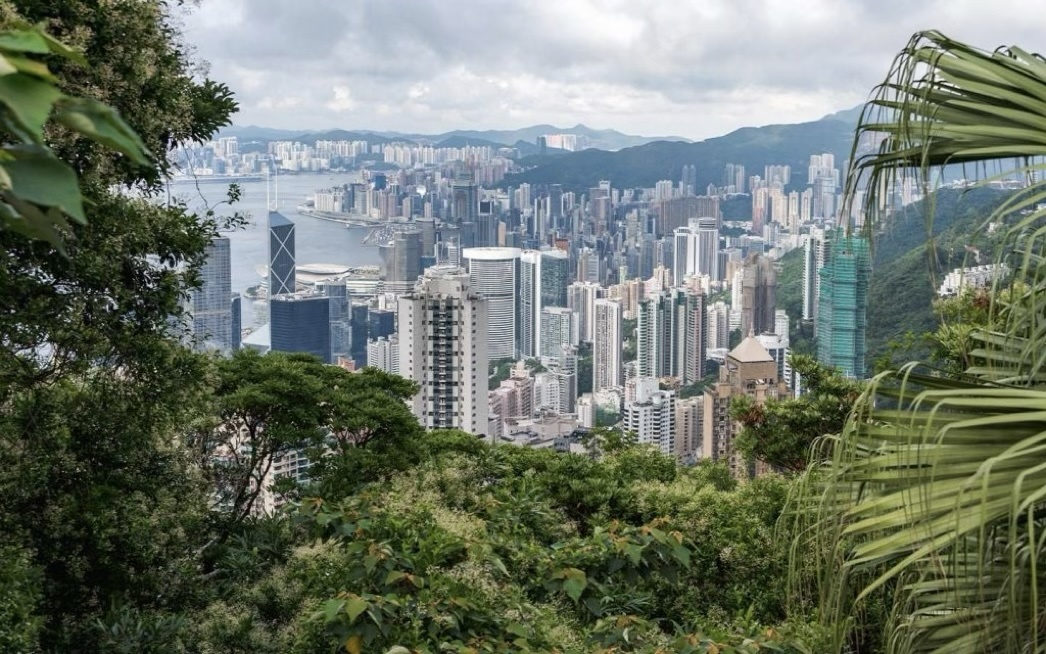
Several unlicensed offshore brokers in Hong Kong were collectively fined more than US$330 million late last month after the China Securities Regulatory Commission (CSRC) escalated its regulatory oversight in a policy shift aimed at closing capital loopholes and combatting regulatory arbitrage.
Despite the charges, the direct impact is expected to be fairly limited. Edith Qian of CGS International estimates that the mainland-facing platforms and affected accounts represent less than 1 percent of Hong Kong’s total market capitalisation and less than 2 percent of turnover. While compliance risks for offshore brokerages will rise, she said, the systemic impact should be manageable now that the penalties have been disclosed.
But given the reach of the coordinated multi-agency campaign to target unauthorised cross-border activities, the crackdown is expected to weigh on risk appetite as investors stay attuned to secondary repercussions, particularly in sectors that have benefited from capital originating from mainland China.
Warning signs have already surfaced. With mainland investors now accounting for more than a quarter of its equity turnover, the Hong Kong Southbound Stock Connect recorded its first monthly outflow in nearly three years last month. Non-compliant offshore accounts must also sell their positions within two years, which could intensify the outflows.
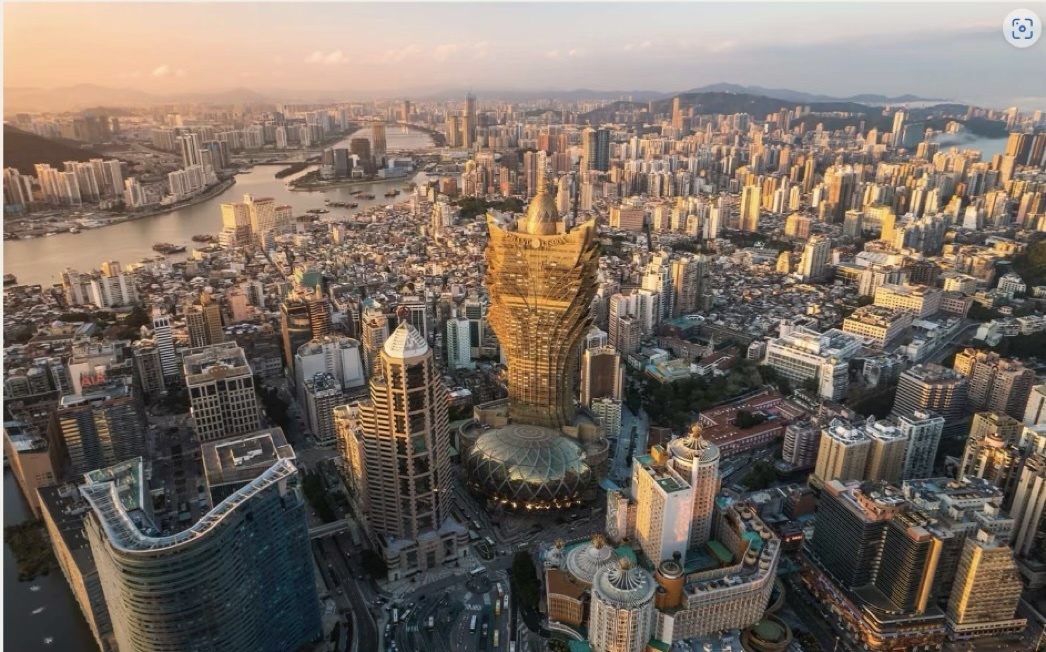
Attention is also set to turn to investment bellwethers like upcoming new home sales in Hong Kong where after three consecutive years of negative returns, property prices are bottoming out in part by mainland Chinese buyers. Businesses reliant on outbound Chinese tourists will also be closely monitored, including destinations like Macao where more than 70 percent of arrivals originated from mainland China.
Macao’s growing share of self-funded players
But for the gaming operators, the new regulation on outbound investment will likely tilt on equity sentiment rather than industry revenues, comments CLSA’s analyst Jeffrey Kiang in remarks sent to The Bay. With self-funded players accounting for the bulk of gaming revenues, Kiang anticipates any disruptions to be modest, pointing to a 2025 brokerage survey showing that 90 percent of participants fund their gaming budgets using cash or UnionPay cards.
Instead, sector headwinds will eclipse the policy’s impact. Gaming revenues are tapering off from last year’s higher base while operating costs remain elevated, squeezing margins and earnings outlooks that portend negatively for the share price. Kiang cut his 2026 outlook by 100 basis points to 4 percent in early June, adding that a pickup in capex guidance is expected to weigh on free cash flows over the next 18 months.
[See more: Macao’s casino operators to report flat earnings for the second quarter, analysts say]
Macao also offers a historical precedent, said Steve Vickers, chief executive of risk consultancy Steve Vickers and Associates. In an interview with The Bay, the former head of Hong Kong’s Criminal Intelligence Bureau drew a parallel with the 2012 squeeze on gaming operators that embedded a less profitable ‘new normal’ in Macao. He observed that Beijing’s demand for local authorities to take assertive control is unfolding in Hong Kong as well, which could foreshadow slower growth rates for booming sectors.
Capital flows to Macao are already operating under stringent conditions, limiting the immediate fallout. But while the integrated resorts could see an indirect spillover amid waning gaming revenues, the impact of this policy is targeted at financial institutions and wealth management firms in Hong Kong, the risk consultant explained.
While Macao’s integrated resorts could see an indirect spillover, the impact of these new curbs is targeted at Hong Kong’s financial institutions and wealth management firms, says Steve Vickers
The trillion-dollar problem
This episode is essentially an extension of what Vickers describes as Beijing’s longrunning “whackamole” effort to rein in capital outflows, a nod to the carnival game where striking one mole only causes another to pop up elsewhere, emphasising that no system of enforcement can be absolute.
By some estimates, unauthorised funds leaving China have totalled over US$1 trillion in 2025. And with US$3 trillion in foreign exchange reserves, less than five percent of China’s population could exhaust those funds under its annual US$50,000 quota, illustrating the vulnerability.
Over the longer term, authorities are relying on regulated pathways such as Qualified Domestic Institutional Investor (QDII) or wealth-connect programmes to open the economy’s capital account in a highquality manner. However, much of the bottleneck stems from those funds exhausting their quotas – a squeeze that coincides with mega-IPOs listing in the US while appetite for Hong Kong equities stays lukewarm.
[See more: Hong Kong claims second place in global IPO market during first half of 2026]
The measures reaffirm Beijing’s scepticism towards parts of the financial sector and underscore that capital outflows are treated as a national-security concern, Vickers said, adding that policymakers will not tolerate disorderly outflows that could threaten social stability.
The Chinese government views financial institutions as utilities designed to advance national objectives, leaving companies little room for complacency. Companies operating in related businesses that rely on these outflows should recognise these enforcement measures as deliberate expressions of strategic policy priorities and respond accordingly, he warns.