
SV quoted in Macau publication "The Bay" re: How Hong Kong gold initiatives are transforming the GBA
How Hong Kong gold initiatives are transforming the GBA
In addition to launching a gold trading platform next year, Hong Kong may up its bullion holdings via the Exchange Fund that anchors the currency peg Macao’s pataca is tied to.

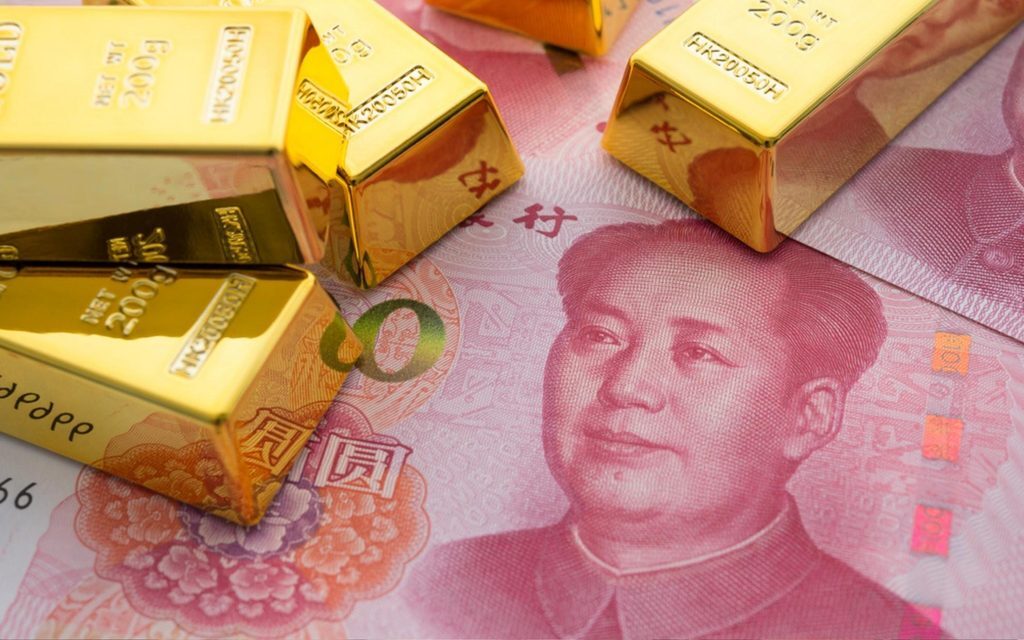
Following a successful summer pilot, Hong Kong is set to officially launch a gold clearing and settlement system that analysts say will align global financial markets more closely with China’s growing bullion demand and yuan-denominated payment mechanisms.
Running under the Hong Kong Precious Metals Central Clearing Company (PMCC), the platform operates in partnership with the Shanghai Gold Exchange (SGE) to facilitate a “Delivery Connect” scheme that enables cross-border settlement using physical gold assets. According to a sector note by Jefferies equity strategist Christopher Wood, that market infrastructure would effectively become a gold version of Hong Kong’s Stock Connect and Bond Connect schemes currently in place.
The development builds on a series of policy measures incentivising more physical gold and over-the-counter (OTC) trading as Hong Kong deepens its push to become a precious metals trading hub. The clearing and settlement framework, which goes live in the first quarter of next year, not only represents a direct challenge to London’s more established commodities market, but also lays out a potential roadmap for yuan-linked gold futures trading that can further internationalise the renminbi.
As part of that drive, officials are reportedly leveraging the Exchange Fund, the Hong Kong Monetary Authority’s primary mechanism used to defend its currency peg, to increase the city’s bullion reserves. In doing so, the move aligns the broader Greater Bay Area (GBA), including Macao via its pegged pataca, with Hong Kong’s expanding physical gold architecture at a time when Beijing’s central bank is also purchasing more gold.
Hong Kong gold: taking inventory
Beyond capital market developments, Hong Kong’s gold-related policies are expected to alter the city’s physical landscape. The SAR intends to increase its gold storage capacity from 200 tonnes to 2,000 tonnes within three years, which includes the accommodation of SGE-certified offshore vaults that permit market participants to transfer physical gold between mainland China’s domestic exchange system and Hong Kong’s.
Despite a rebound in the city’s grade A office space, Hong Kong’s property market has been mired in an uneven recovery. Tailwinds from AI-driven export orders have yet to benefit industrial or warehouse rents which continue to slide, analysts say, as leases remain under pressure with landlords preferring to keep tenant occupancy rates high.
Hong Kong’s proposal to expand its gold storage footprint could become a sector catalyst with critical GBA implications. While Hong Kong’s physical land accounts for just 2 percent of the 11-city region, its real estate value commands between a third and a half of its total wealth, highlighting its outsized role in shaping market sentiment.
But beyond driving local real estate demand by holding more physical gold, the creation of the PMCC highlights Hong Kong’s strategic integration into China’s national policy framework, notes Steve Vickers, chief executive officer of political and corporate risk consultancy SVA.
The security expert told The Bay that the expansion of yuan-denominated trading and settlement mechanics helps mitigate dollar-related financial and geopolitical exposure when Beijing has become increasingly concerned over trade tariffs and other security-related uncertainties.
The trend come at a time when Beijing’s US Treasury holdings have fallen to US$618 billion, its lowest level since 2008, while the People’s Bank of China has accumulated gold for 22 consecutive months to reach 2,387 tonnes as of late August.
Macao’s golden ties
Despite flat year-to-date returns, gold prices rallied this summer. Rising Treasury yields and ballooning public deficits prompted investors to seek shelter in traditional safe-haven assets like gold, which has risen nearly 140 percent over the past five years.
Gold’s historical appeal is not too far from Macao’s recent memory. Following the end of the Second World War, the Bretton Woods Agreement established a gold-backed monetary framework that fixed the price of gold and anchored global currencies to the US dollar to stabilise foreign exchange rates.
But through Portugal’s neutrality as a non-signatory to that agreement, Macao stood outside the accord, allowing the city to emerge as a global hub for gold trading until Washington suspended bullion’s convertibility with the dollar, effectively ending Bretton Woods and integrating Macao into the global economic system.
Green shoots of history are resurfacing. According to the International Monetary Fund, physical gold held by central banks is approximately at the same levels today as they were at the end of the Bretton Woods era, though they make up a smaller percentage of total assets. While tariff and debt policies may weaken the dollar in favour of bullion, few foresee gold replacing the greenback given the depth of the dollar’s liquidity and its central role in global market infrastructure.
While Macao is unlikely to assume this role as a gold trading hub, it aims to play a complementary role to Hong Kong, where officials have also floated the idea of permitting the Mandatory Provident Fund (MPF) to invest in gold exchange-traded funds (ETFs).
However, while Hong Kong’s expansion into the bullion market opens significant commercial opportunities, such developments might also increase risks related to regulatory conflicts, Vickers warned.
International firms may find themselves vulnerable through linked ownership structures, correspondent banks, or other counterparties, he said, adding that while Hong Kong offers a stable and effective law enforcement regime, gold-related businesses may draw unwanted attention.
Executives should test operational resilience for the disruption of clearing, settlement, and cyber systems just as they would consider how an outage of any trading platform might affect their business, he remarked.